Tutorial 26
Introduction
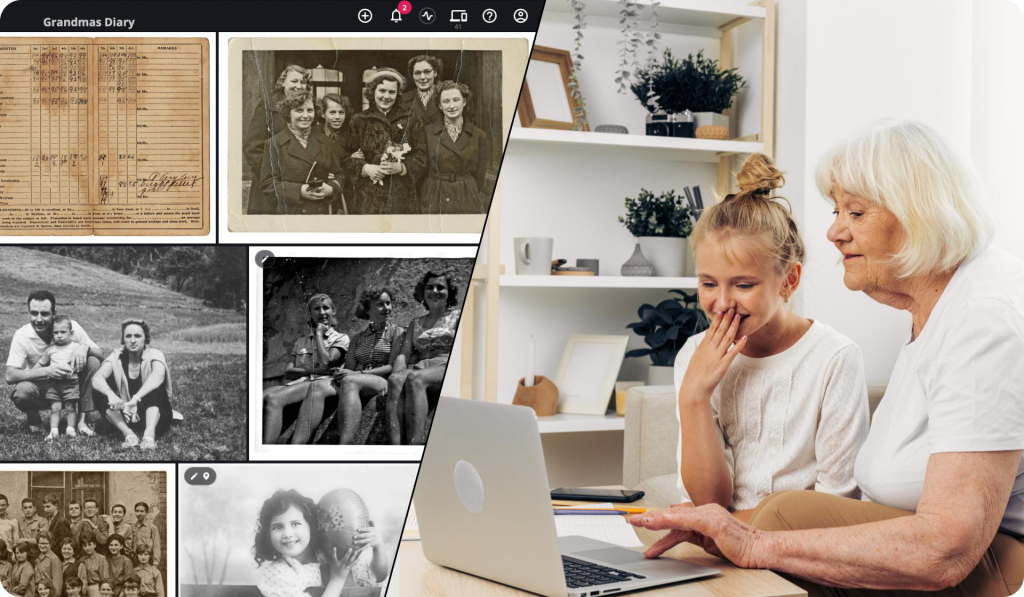
Every person has a unique story worth telling.
You’ve lived through decades of experiences, witnessed remarkable changes in the world, celebrated joyful milestones, and overcome personal challenges. Unfortunately, many of these precious memories are never written down and may be lost forever.
Artificial Intelligence can act as your personal writing assistant, helping you organize your thoughts, ask meaningful questions, improve your writing, and turn memories into a beautiful keepsake for future generations.
You don’t need to be a professional writer. You simply need your memories—and AI can help you transform them into something your family will treasure for years to come. AI-guided memoir projects often work by asking thoughtful interview-style questions that gradually help you recall and organize your experiences. This conversational approach can make writing feel much less overwhelming.¹²
What You Will Learn
By the end of this tutorial you will know how to:
✅ Use AI to write your life story
✅ Record childhood memories before they’re forgotten
✅ Create a family history for future generations
✅ Organise old photographs and identify missing details
✅ Preserve treasured family recipes
✅ Write your own memoirs chapter by chapter
✅ Use AI interview questions to unlock forgotten memories
✅ Turn everything into a printed family book
Why Your Story Matters
Your grandchildren may never know:
- What your childhood was like.
- How your parents lived.
- What school was like.
- How people communicated before smartphones.
- Family traditions.
- The challenges you overcame.
- Lessons you learned during your life.
If you don’t tell these stories, they may disappear forever.
AI simply makes telling those stories much easier.
Part 1
Writing Your Life Story
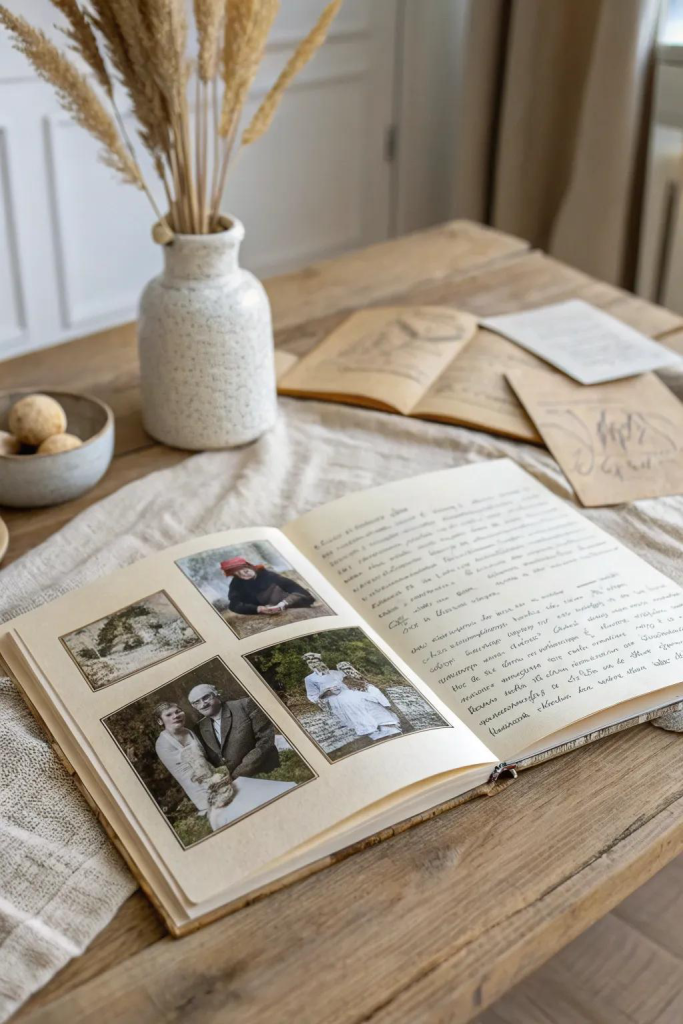
Many people think writing a life story means producing a 300-page book.
It doesn’t.
Start with one memory.
For example:
“I grew up on a small farm outside Grahamstown during the 1960s…”
Then ask ChatGPT:
Help me turn this memory into an interesting story while keeping my own voice.
AI can help you:
- Improve grammar
- Add structure
- Suggest chapter titles
- Organise events chronologically
- Create smooth transitions
Remember:
The memories are yours.
AI simply helps you tell them better.
Part 2
Recording Childhood Memories

Some of your earliest memories are often the most fascinating.
Think about:
- Your first home
- Your parents
- Brothers and sisters
- Your favourite toys
- School days
- Christmas celebrations
- Holidays
- Pets
- Friends
- Favourite foods
Prompt:
Ask me one question at a time about my childhood so I can gradually record my memories.
AI interview-style prompting is especially effective because each answer often triggers another forgotten memory.²³
Part 3
Writing Your Family History
Your family history is much more than names and dates.
Include:
- Where your grandparents came from
- Family traditions
- Occupations
- Funny stories
- Family sayings
- Favourite recipes
- Important milestones
Prompt:
Help me organise my family history into chapters for my children and grandchildren.
Part 4
Organising Old Photographs
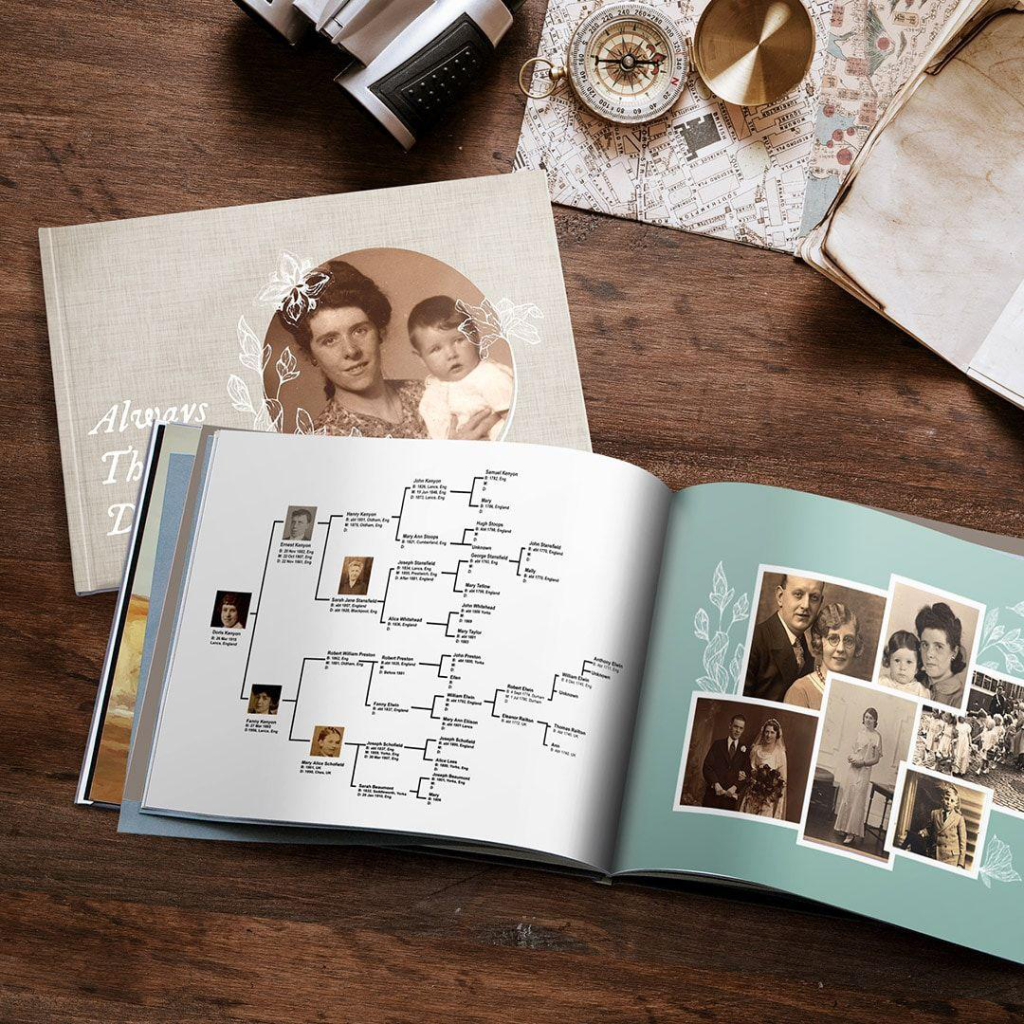
Many families have boxes full of photographs with no names or dates.
AI can help you organise them.
Create folders such as:
- Childhood
- Parents
- School
- Marriage
- Holidays
- Children
- Grandchildren
- Friends
- Work
- Special occasions
For every photograph ask:
Who?
Where?
When?
Why was this important?
What happened afterwards?
If you scan your photos, AI can also help you write captions and short stories to accompany each image.¹⁴
Part 5
Creating a Family Recipe Book
Recipes often carry wonderful memories.
Include:
- Grandma’s favourite pudding
- Family braai recipes
- Christmas meals
- Birthday cakes
- Traditional dishes
- Secret family recipes
Prompt:
Help me turn my handwritten recipes into a beautifully organised family recipe book with cooking tips and family stories.
Part 6
Writing Your Memoirs
Unlike a biography, memoirs focus on meaningful moments rather than every event in your life.
Possible chapters:
- Growing Up
- My First Job
- Meeting My Husband/Wife
- Raising a Family
- My Career
- The Hardest Lesson I Ever Learned
- The Happiest Day of My Life
- Life After Retirement
- What I Hope My Family Remembers
Part 7
AI Interview Questions

Sometimes we simply don’t know where to begin.
Ask AI to interview you.
Example prompt:
Interview me about my life. Ask one question at a time and help me create a memoir.
Possible questions include:
- What is your earliest memory?
- What was your childhood home like?
- Who influenced you the most?
- What family traditions do you remember?
- What was your first job?
- What is one lesson life has taught you?
- What moment changed your life?
- What advice would you give your grandchildren?
- What achievement makes you most proud?
- How would you like to be remembered?
These gradual interview questions often help uncover memories that might otherwise remain forgotten.²³
Part 8
Turning Your Story into a Printed Book
Once your memories are written, AI can help you:
- Organise chapters
- Design a table of contents
- Write an introduction
- Create chapter titles
- Suggest photo placement
- Write captions
- Proofread the text
- Design a cover
- Prepare the manuscript for printing
Many online printing services can then produce a professionally bound book for your family.¹⁴
Matt’s Tip
“Your grandchildren won’t remember the price of your house or the model of your car—but they will treasure the stories only you can tell. Don’t wait until ‘one day.’ Start recording your memories today, one story at a time.”
Try This Today
Open ChatGPT and type:
“I would like to write my life story for my family. Please interview me one question at a time and help me turn my answers into a book.”
Then simply answer the first question.
You may be surprised at how naturally your memories begin to flow.