📚 Tutorial 33
Chronic Conditions and Medical Records

Part of the Practical AI Success Academy™
“AI cannot replace your doctor—but it can help you become one of your own best healthcare assistants.”
🎯 Tutorial Objectives
By the end of this lesson you will be able to:
- Keep all your medical information organized
- Track chronic conditions more easily
- Understand medical terminology
- Prepare better for doctor appointments
- Remember medications and treatments
- Monitor symptoms over time
- Store important medical records safely
- Use AI responsibly without replacing professional medical advice
Why This Matters
Many retirees manage one or more chronic conditions such as:
- High blood pressure
- Diabetes
- Arthritis
- Heart disease
- Asthma
- Osteoporosis
- Kidney disease
Keeping track of medications, test results, appointments, and symptoms can become difficult.
AI can act as a personal health organizer, helping you stay informed and organized while supporting discussions with your healthcare providers. Studies and reviews suggest AI can assist with personalized monitoring, early detection, remote tracking, and more efficient chronic disease management when used alongside medical professionals.
What AI Can Help With
AI is excellent at organizing information such as:
✔ Medication lists
✔ Appointment schedules
✔ Blood pressure records
✔ Blood sugar readings
✔ Weight tracking
✔ Cholesterol history
✔ Symptoms
✔ Medical terminology
✔ Doctor questions
✔ Laboratory result summaries
✔ Lifestyle tracking
Example 1: Organize Your Medication List
Instead of keeping handwritten notes, ask:
Prompt
“Please create an easy-to-read medication schedule using the following medicines.”
Then paste:
- Medicine name
- Dosage
- Morning
- Afternoon
- Evening
- Before or after meals
- Purpose
AI can create a clean table that’s easy to print.
Example 2: Explain Medical Terms
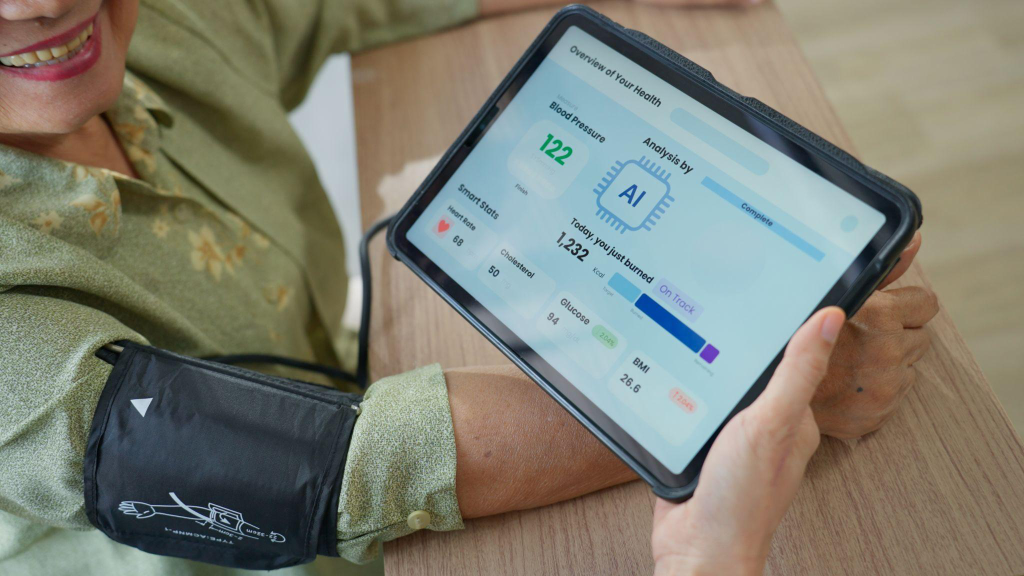
Medical reports often contain unfamiliar language.
Instead of searching multiple websites, ask:
“Please explain this blood test result in plain English suitable for someone with no medical training.”
Or:
“What does LDL cholesterol mean?”
Or:
“Explain Stage 2 hypertension in simple language.”
AI can simplify complex terminology—but always confirm important interpretations with your healthcare provider.
Example 3: Prepare for Your Doctor Appointment

Before visiting your doctor, ask:
“Help me prepare questions for my diabetes check-up.”
AI may suggest questions such as:
- Is my medication still appropriate?
- Should I adjust my diet?
- How often should I test my blood sugar?
- What warning signs should I watch for?
- Are there new treatment options?
This helps you get more value from each appointment.
Example 4: Track Symptoms
Prompt:
“Create a daily symptom tracker for arthritis.”
Example:
| Date | Pain | Stiffness | Swelling | Notes |
| Monday | 4/10 | Mild | None | Walked 20 minutes |
| Tuesday | 6/10 | Moderate | Mild | Cold weather |
After several weeks you can ask:
“Summarize my symptom diary and identify any patterns.”
Example 5: Keep Medical Records Organized
Ask AI:
“Create a personal medical records checklist.”
Suggested sections:
- Personal information
- Medical conditions
- Surgeries
- Allergies
- Vaccinations
- Current medications
- Previous medications
- Blood tests
- X-rays
- MRI scans
- Specialist reports
- Emergency contacts
- Insurance information
Example 6: Understand Lab Results
Prompt:
“Please explain these blood test results in simple language and tell me which items I should discuss with my doctor.”
AI can help identify topics to discuss, but it cannot diagnose illnesses.
Example 7: Blood Pressure Tracker
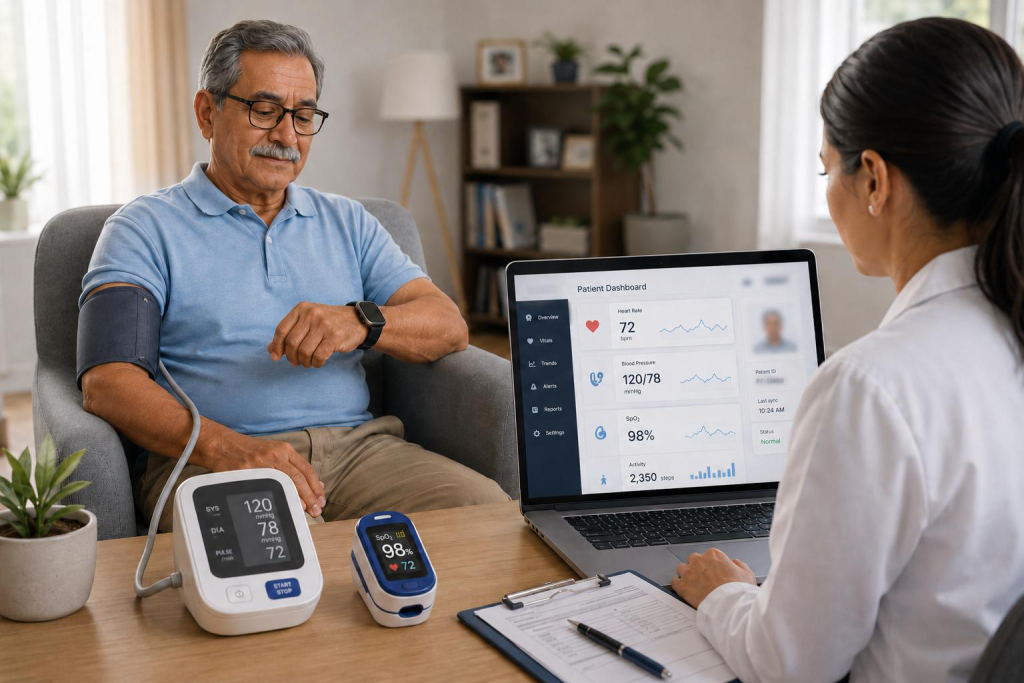
Ask AI:
“Create a weekly blood pressure tracking sheet.”
Example:
| Date | Morning | Evening | Notes |
| Monday | 128/80 | 125/79 | Normal |
| Tuesday | 135/84 | 132/81 | Slightly elevated |
After several weeks:
“Summarize my readings and identify overall trends.”
Example 8: Diabetes Log
AI can organize:
- Blood sugar
- Meals
- Exercise
- Medication
- Energy level
Then summarize trends over time.
Example 9: Healthy Lifestyle Coaching
Prompt:
“Suggest five simple lifestyle habits that may help someone manage high blood pressure alongside their prescribed treatment.”
AI can provide general wellness suggestions, but should never replace advice from your doctor.
Example 10: Emergency Medical Summary
Create a one-page summary including:
- Full name
- Date of birth
- Emergency contacts
- Blood type (if known)
- Allergies
- Chronic conditions
- Medications
- Treating doctors
- Medical aid details
Keep printed and digital copies available.
⚠️ Important Safety Rules
Always remember:
✅ AI does not replace your doctor.
✅ Never stop medication because AI suggests it.
✅ Seek urgent medical care for severe symptoms.
✅ Verify medical advice with qualified professionals.
✅ Protect your privacy—avoid sharing sensitive personal information with AI unless you trust the platform and understand its privacy policies.
💡 Pro Tip
Create a single document called “My Health Record” and update it after every doctor visit. AI can help you summarize appointments, organize records, and prepare questions for your next consultation.
📝 Quick Win
Spend 20 minutes today creating a Personal Medical Information Sheet with:
- Current medications
- Allergies
- Chronic conditions
- Emergency contacts
- Doctors’ contact details
- Recent test dates
Save it digitally and print a copy to keep in your wallet or with important documents.
📋 Practical Exercise

Ask ChatGPT:
“Help me create a complete personal health management folder that includes medication tracking, appointment records, symptom logs, laboratory results, and questions for my doctor.”
Review the result and customize it to suit your own needs.
📚 Key Takeaways
- AI can help organize medical records and chronic condition information.
- It can explain medical terms in plain language.
- AI supports medication schedules, symptom tracking, and appointment preparation.
- It can summarize trends from health logs over time.
- Always use AI as a support tool—not as a substitute for professional medical care.
🌟 Member Bonus
Health Management Prompt Pack
- “Organize my medication schedule into a printable table.”
- “Explain this medical report in plain English.”
- “Create a blood pressure tracking sheet.”
- “Build a symptom diary for my condition.”
- “Help me prepare questions for my next doctor’s appointment.”
- “Summarize my blood sugar readings for the past month.”
- “Create a medical records checklist.”
- “Help me organize my health information for emergencies.”
- “Explain the lifestyle changes commonly recommended for this condition.”
- “Review my health journal and identify patterns I should discuss with my healthcare provider.”